
Twitter Viewer vs. Nitter: Which One Should You Actually Use?
If you've searched for a way to read X without an account, Nitter's name comes up almost immediately- usually alongside a list of instances, half of which don't load. It's worth understanding why that keeps happening before picking a tool to rely on.
Quick answer
What to know before you start
- Nitter is self-hosted and open source; it also breaks constantly
- A hosted Twitter viewer trades some control for reliability
- Neither can access private accounts- that's not a limitation, it's the point
What Nitter actually is
Nitter is an open-source, self-hostable front end for Twitter/X. Volunteers run public instances of it, and for a while that was the go-to way to read a thread or check a profile without an account. The catch is that Nitter works by reaching into X's internal systems in ways X doesn't sanction, and X has gotten steadily better at shutting that down- rotating tokens, blocking known instance IPs, changing the internal API shape without notice.
The practical result: instance lists are long, and a meaningful chunk of them are dead or rate-limited at any given moment. That's not a knock on the maintainers- it's what happens when a platform actively works against the thing you're running.
Where a hosted viewer is different
A hosted Twitter viewer runs the same basic idea- read public content without logging in- but as a maintained service rather than a list of volunteer instances. You're trading some of Nitter's openness (you can't audit or self-host it) for something Nitter structurally can't promise: one URL that's actually up when you need it.
It's still built on the same kind of unofficial access Nitter uses, so it isn't magic- this is a genuinely fragile category of tool no matter who builds it. The difference is who's on the hook for keeping it working.
What neither one will do
Worth saying plainly: neither Nitter nor a hosted viewer can show you a private or protected account. That's not a missing feature- it would mean quietly bypassing an access control someone put there on purpose, and no legitimate tool does that.
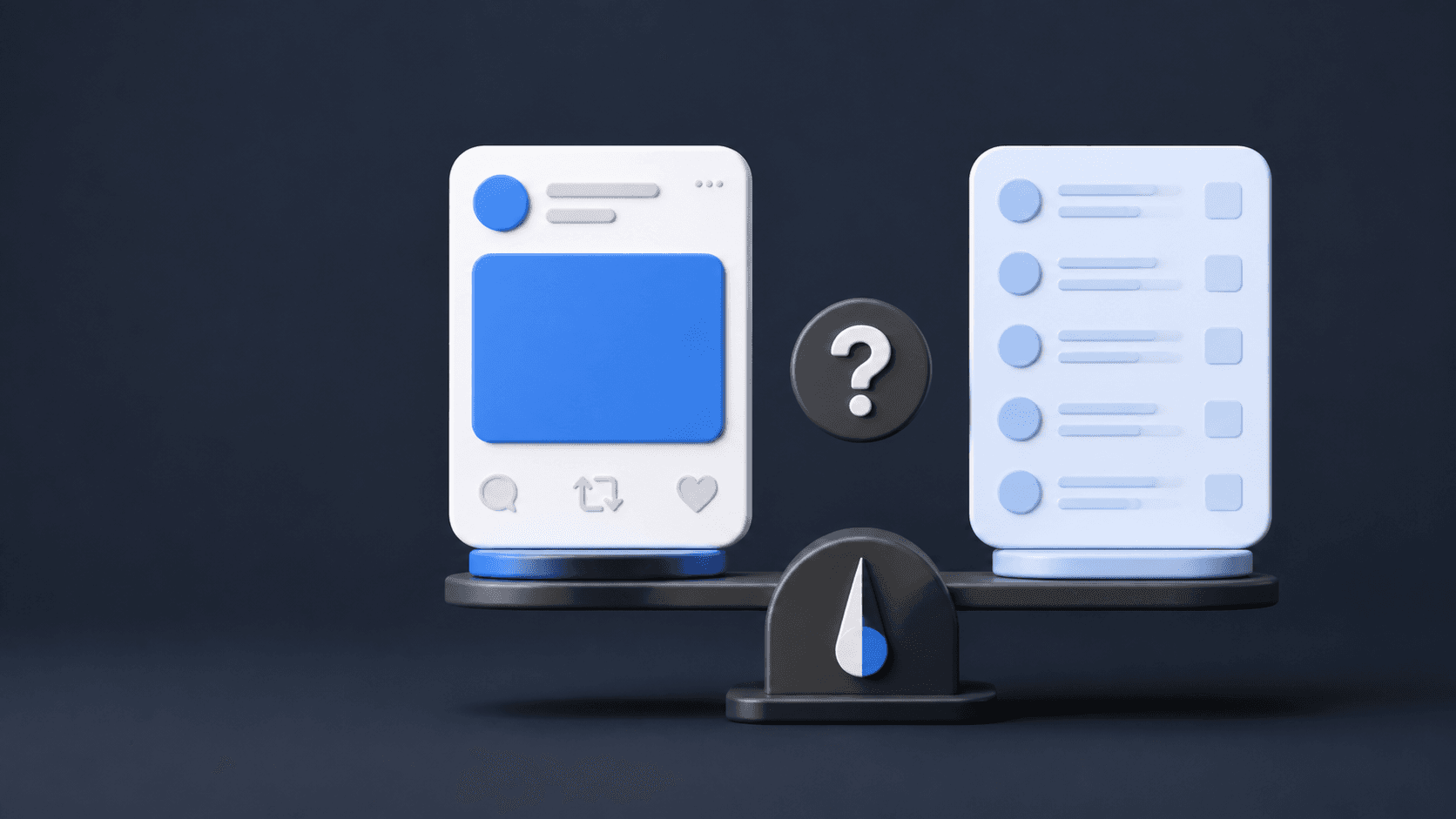
If you're choosing between the two, the honest framing is reliability versus openness, not safe versus unsafe. Both read the same public data; they just get to it differently, and only one of them is your problem to keep running.
Found this guide useful?
Frequently asked questions
Why do so many Nitter instances not work?
X actively blocks the unofficial access methods Nitter relies on, so individual instances get rate-limited or cut off and need to be swapped out regularly.
Is Nitter illegal to use?
Reading public posts isn't illegal, but Nitter's method of fetching them is outside X's terms of service- the same is true of most no-login viewers, including hosted ones.
Can a Twitter viewer show private tweets that Nitter can show?
No. Neither can access private or protected accounts. Any tool that claims otherwise should be treated with suspicion.